Bitcoin Cash casino comparison in the UK: where the licences actually point
 Available in GB
Current as of 23 September 2026 and checked against the Gambling Commission’s public register of gambling businesses.
A comparison of Bitcoin Cash casinos that targets British readers answers, first, an awkward question: how many of the brands that advertise themselves as “BCH-friendly” actually hold a Gambling Commission licence for Great Britain? The honest count, drawn from the Commission’s published register, is zero among the ten well-known brands examined below. None lists BCH among its payment methods, and none has cleared the Commission’s anti-money-laundering hurdle for crypto-asset acceptance. What this page does, then, is not a ranking of competing Bitcoin Cash casinos. It is a map of the gap — between the marketing promise of “crypto casino” and the regulatory reality of the UK market — and a working list of the ten licensed names a player in Great Britain can actually use.
That framing is the point of the comparison, not a hedge. A reader who came here for “best Bitcoin Cash casino UK” deserves to know, in the first paragraph, that the licensed landscape does not currently field one. The detail below explains why, what it costs to step outside that landscape, and which British brands do meet the bar a UK player should expect.
Table of Contents
- What a Bitcoin Cash casino comparison in the UK is actually comparing
- The UK licensed landscape as the reference point
- Where responsible gambling protection starts and stops
- Crypto, anonymity and what BCH actually does at the cashier
- The ten licensed brands a UK player can actually use
- The comparison table
- The legality shelf, and what an offshore BCH casino does to a British player
- Reading the offshore side of the comparison honestly
- How the calculation sits against the comparison
- What the public register snapshot actually proves
- Where the comparison stops being a recommendation
- Putting the comparison in context
- FAQ
What a Bitcoin Cash casino comparison in the UK is actually comparing
A comparison implies a set of competing options on roughly equal terms. Bitcoin Cash casino comparisons in the UK run into trouble at that first step: the options are not equal, because one side of the comparison sits inside the British regulatory perimeter and the other side sits outside it. A licensed casino accepts verified customers, blocks credit cards, enforces GAMSTOP self-exclusion, caps slot stakes at £2 or £5 depending on age, and applies a 10x wagering ceiling on any bonus it offers. An offshore crypto casino accepts an email address, asks for no documents at sign-up, lets a player move Bitcoin Cash from a wallet they alone control, and answers to whichever regulator issued its licence, if any.
The two models trade different things. One trades identity verification and the friction that comes with it for the protections of a British licence: dispute routes, affordability monitoring, an enforced self-exclusion register, ring-fenced customer funds. The other trades those protections for speed, lighter onboarding and a wider payments menu that includes coins like Bitcoin Cash. A useful comparison does not pretend the trade is free. It names what each side costs and lets the reader pick with eyes open.
How the Bitcoin Cash element shapes the comparison
Bitcoin Cash forked from Bitcoin on 1 August 2017, giving Bitcoin holders an equal amount of BCH at block height 478,559. Its design point — a 32MB block size cap, raised in 2018, against Bitcoin’s 1MB — was cheaper and faster transactions for everyday payments. From a casino’s perspective, that matters mainly because it changes the unit economics of moving value in and out of player accounts. A Bitcoin Cash transaction typically confirms in roughly ten minutes, the same block interval as Bitcoin, but the network’s larger block capacity keeps fees low even when the mempool is busy.
None of that, on its own, puts BCH inside a British licence. The Commission’s own guidance rates crypto-assets, including Bitcoin Cash, as a high-risk payment method for anti-money-laundering purposes among Great Britain licensees. Licence Condition 12.1.1 requires a Commission licensee that wants to introduce a crypto-asset payment method to review its AML risk assessment first. That review is a meaningful piece of work, and a licensee that completes it then has to notify the Commission of the change. The list of licensed brands that have done so, walked end to end against the public register, does not include any of the ten names that headline UK-facing casino comparisons.
The UK licensed landscape as the reference point
Before stepping into the brands that market themselves as crypto-friendly, it helps to see the licensed landscape they would have to join. The Gambling Commission’s public register listed 139 businesses holding an active remote casino operating licence on 18 September 2026. The register itself is searchable online and downloadable as CSV or Excel; it is the single source of truth on who holds a licence and which domains each licence covers.
The register’s domain list records each website against the licence account that runs it, with a status of Active, Inactive or White Label. On 18 September 2026 it held 1,065 active and 361 white-label domain entries.
| Register Category | Total Count |
|---|---|
| Active businesses (18 Sep 2026) | 139 |
| Active domain entries | 1,065 |
| White-label domain entries | 361 |
A white-label site trades under another company’s licence — the operator provides the product, the licence-holder provides the regulatory cover. Virgin Games, for instance, runs as a white-label domain of Gamesys Operations Limited; the licence number on the register for Virgin Games belongs to Gamesys, not to the Virgin brand team.
The licence numbers themselves are not decorative. A remote casino licence number on the register has the form account number-R-licence number-suffix, where the leading six digits repeat the licence holder’s account number and the “R” marks a remote (online) licence. Reading those numbers off a brand’s footer and matching them against the register is the only reliable way to confirm a brand is what it says it is. A casino that hides its licence number, or points at a Curaçao or Anjouan number when it has UK customers, is not a UK-licensed brand whatever its homepage claims.
Where responsible gambling protection starts and stops
This is the first shelf of the comparison, and the one with the sharpest implications for a British player. Every brand examined below holds a Commission licence; every one is bound by the same player-protection code. The reason that matters here is that stepping off the licensed list, even briefly, also steps off the protection that goes with it.
What a Commission licence guarantees a player
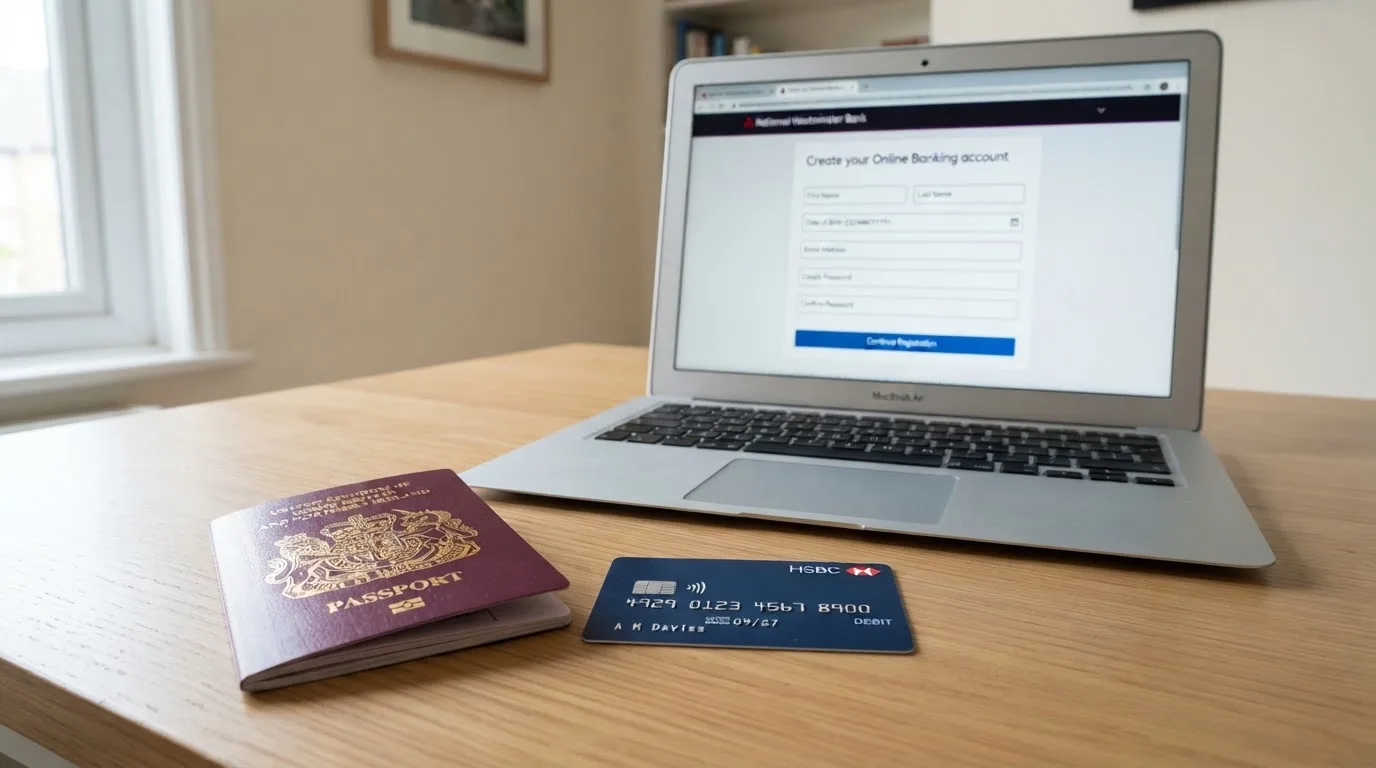
A licensed British casino must verify a customer’s name, address and date of birth before the first deposit or any play. The verification has been mandatory since 7 May 2019 and runs against public data plus document checks; it is the reason an account at a licensed site cannot be opened with just an email and a password.
The same licence requires GAMSTOP, the national online self-exclusion scheme. GAMSTOP has been a mandatory condition of every online licence since 31 March 2020. Self-exclusion periods run six months, one year or five years, and cannot be cancelled early. A player who has self-excluded cannot open an account at any Commission-licensed casino for the chosen period; the operator that lets them in faces enforcement action. The point is not that self-exclusion is comfortable. The point is that it works across every licensed brand at once.
Online slots at a licensed site carry a maximum stake per game cycle — £5 for players aged 25 and over, in force from 9 April 2025, and £2 for players aged 18 to 24, in force from 21 May 2025. Auto-play has been banned since 31 October 2021. A slot spin may not be faster than 2.5 seconds, and losses disguised as wins are banned. None of these rules apply at an offshore crypto casino.
Financial vulnerability checks run at £150 of net deposits in a rolling 30-day window using public data, in force from 28 February 2025. The wider financial risk assessments have been announced but are not yet in force as of the register snapshot the page is built against. Operators must also prompt a customer to set a financial limit before the first deposit, a rule that has been in force since 31 October 2025.
What a player loses by going outside the licence
An offshore casino that accepts Bitcoin Cash carries none of those protections as a matter of course. The brand may offer some of them voluntarily — GAMSTOP-style self-exclusion, deposit caps, time-out tools — but it does not have to, and there is no British regulator watching to make sure it follows through. A player who has self-excluded via GAMSTOP can still open an account at an unlicensed crypto casino the same afternoon; the British scheme has no jurisdiction outside the licensed perimeter.
That is the cost of stepping off the list, stated plainly. A Bitcoin Cash casino comparison that does not name this cost is selling the reader a feature without a receipt. The receipt, here, is the bundle of protections the Commission licence carries: verified identity at sign-up, GAMSTOP coverage, stake caps, mandatory deposit-limit prompts, ADR routes for disputes, ring-fenced customer funds. The reader can refuse any of them; the reader cannot un-know that they exist on one side of the line and not the other.
Crypto, anonymity and what BCH actually does at the cashier
A Bitcoin Cash casino that operates offshore typically runs on blockchain-based wallets with minimal identity checking, unlike the verified accounts a licensed British casino requires. That single sentence from the research summary is the hinge of the crypto side of the comparison; the rest of this section unpacks what it means in practice and where it stops being quite as anonymous as the marketing implies.
What BCH gives the player at the cashier
Bitcoin Cash is a peer-to-peer electronic cash system in the original Bitcoin lineage. It forked from Bitcoin on 1 August 2017 at block height 478,559. The 2018 block-size upgrade to 32MB gave it materially cheaper transactions than Bitcoin during busy periods, and the proof-of-work consensus with SHA-256 hashing is familiar to anyone who has run Bitcoin mining hardware. The maximum supply cap of 21 million coins mirrors Bitcoin’s. The November 2018 split that produced Bitcoin SV left Bitcoin Cash as the chain that kept the “BCH” ticker; that history matters only because it explains why any wallet labelled BCH today is the post-2018 chain, not the pre-fork one.
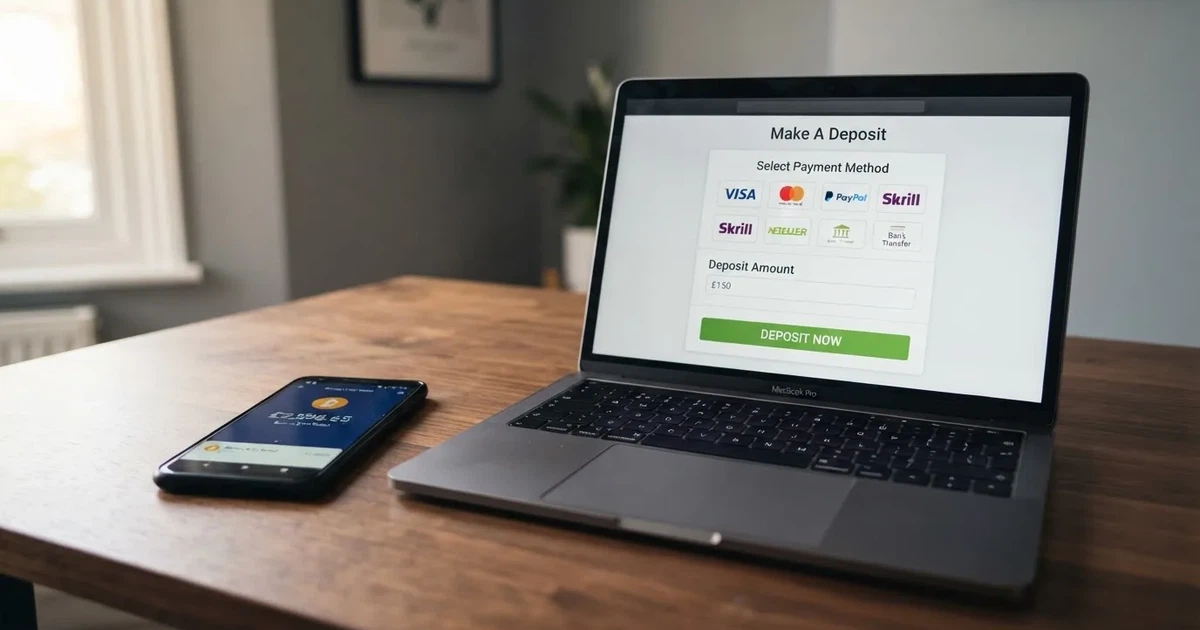
At a casino cashier that accepts BCH, a player typically gets a deposit address and a QR code, sends the chosen amount from a wallet they control, and waits for confirmations. Block time averages around ten minutes, so a deposit usually clears within one block; six confirmations is the upper end of what a careful operator might wait for. Withdrawals reverse the process: the casino sends BCH to the wallet address the player provides. There is no card network in the middle, no chargeback mechanism, and no name on the transaction beyond the wallet addresses.
That is the appeal, and it is real. Speed is faster than a bank transfer for most players. Fees are low. The transaction works at any hour, including weekends and bank holidays. None of these advantages is unique to BCH — other coins offer similar mechanics — but the cashier experience is one of the things offshore crypto casinos compete on, and Bitcoin Cash is among the coins they accept.
Where the anonymity claim runs into a wall
Onboarding is the first wall. A casino that knows nothing about the player beyond a wallet address is still subject, in any jurisdiction that takes AML seriously, to a threshold of scrutiny. In the UK, any cryptoasset business handling Bitcoin Cash that operates in the country must register with the Financial Conduct Authority under the Money Laundering Regulations before starting business. The FCA’s new authorisation regime under the Financial Services and Markets Act opens for applications on 30 September 2026.
A casino licensed in Curaçao, Anjouan or a similar offshore jurisdiction is not subject to UK AML law by the same mechanism. It may still apply customer due diligence at its own discretion, and the better-run ones do. What it cannot offer, and what the marketing sometimes glosses over, is the absence of any trail at all. The blockchain itself is a public ledger. Every BCH transaction is visible to anyone who holds the wallet address. Chain analysis firms trace flows across addresses routinely, and the inputs to a wallet — which exchange funded it, which bank wired the exchange — sit on the exchange’s own records.
The practical upshot for a British player: a Bitcoin Cash deposit at an offshore casino is faster and lighter than a debit-card deposit at a licensed British casino, but it is not untraceable. The licensed route trades that traceability for the protections listed above. The offshore route trades those protections for the lighter onboarding. The choice is the reader’s.
Tax and what HMRC does with the BCH in the wallet
HMRC treats disposals of cryptoassets such as Bitcoin Cash — selling, exchanging, spending on goods or services, or gifting them — as potentially subject to UK Capital Gains Tax. Winning a sum at a crypto casino and withdrawing it in BCH is a disposal of the BCH when the player later converts it back to sterling; the gain between the deposit and the disposal is taxable in principle. The licensed casino reports nothing to HMRC about winnings, because players pay no tax on gambling winnings in the UK. The crypto side of the transaction is the part HMRC does look at.
That detail is easy to miss because it sits at the seam between two regimes. The casino is a gambling matter; the wallet is an asset matter. The reader who treats BCH purely as a faster way to fund a casino account will still have a tax point when they turn the BCH back into pounds.
The ten licensed brands a UK player can actually use
This is the heart of the comparison. None of the ten brands below accepts Bitcoin Cash among its payment methods, as far as the Commission’s public register and the research snapshot show. Each one holds an active remote casino operating licence, lists its domain on the register, and sits inside the protections described above. The order is the order the research carries, not a quality ranking.
A useful way to read this section is as a list of candidates against the BCH-friendly alternative, not as a list of BCH casinos. The reader is here to compare Bitcoin Cash casinos for the UK; the comparison the page ends up making is between the crypto-friendly offshore world and the licensed British world. These ten are the latter.
Casumo
Casumo is listed on the Gambling Commission register as an active domain of account 61549, Recro Limited, which holds the active remote casino operating licence 061549-R-336718-002. The licence number follows the standard format of account number-R-licence number-suffix, where the leading six digits repeat Recro’s account number.
Casumo sits firmly inside the licensed perimeter. That means verified sign-up, GAMSTOP coverage, the £2 or £5 slot-stake caps by age, and the 10x wagering ceiling on any promotion the brand runs. The brand has built its identity on a gamified loyalty layer; the regulatory frame around it is the ordinary British one, and the protections that come with it apply in full.
For a reader weighing Casumo against an offshore BCH casino, the difference is the protection bundle, not the product. Casumo does not currently accept Bitcoin Cash; the offshore alternative does, in exchange for the protections Casumo carries. The page leaves that trade to the reader.
Gala Bingo
Gala Bingo appears on the register under account 54743, LC International Limited, which maintains the remote casino operating licence 054743-R-330863-014. LC International also runs Ladbrokes and Coral under the same licence, which is worth flagging because the brands are distinct to players but identical from a regulatory point of view.
Gala Bingo is a bingo-led product with a casino tab attached; the licence that covers it covers every game on the site. The protections are the licensed ones. As with Casumo, BCH is not in the cashier; the comparison is again one of regime rather than product.
MrQ
MrQ is logged against account 60629, Tek Fox Ltd, which manages the remote casino operating licence 060629-R-337532-004. MrQ has made a point of running a no-wagering promotional model inside the licensed framework — a structural choice that is interesting precisely because the 10x wagering cap introduced on that date would not bite a promotion that has no wagering terms in the first place.
For a reader interested in what the licensed British market looks like at its most player-friendly, MrQ is a useful data point. It is still not a Bitcoin Cash casino. The licensed BCH-free market is what it is, and MrQ is one of its more thoughtful operators.
Virgin Games
Virgin Games is recorded on the register as a white-label domain of account 38905, Gamesys Operations Limited, holder of remote casino operating licence 038905-R-319430-022. The white-label status signifies that Virgin Games is the consumer-facing brand, while Gamesys manages the regulatory responsibilities.
White-label arrangements are common in the British market and are not, on their own, a red flag. They mean the brand running the site and the licence-holder guaranteeing its conduct can be different legal persons, and they mean a player who needs to escalate a complaint may end up dealing with Gamesys rather than the Virgin brand team. The protections themselves — GAMSTOP, verified sign-up, stake caps — apply in full because they sit on the licence, not on the brand.
bet365
bet365 is officially recorded as an active domain for account 55149, Hillside (UK Gaming) ENC, the holder of remote casino operating licence 055149-R-331499-004. bet365 is the largest private gambling company in the UK by many measures; its licence is a standard one of the kind the Commission has issued for two decades.
The product range is wide, the brand recognition is high, and the licence is straightforward. Like every other name on this list, bet365 does not list Bitcoin Cash among its accepted payment methods. The comparison the page is making, again, is between that fact and the alternative offshore product that does.
Betway
Betway operates under account 39372, Betway Limited, which manages remote casino operating licence 039372-R-319367-029. Betway is a sportsbook-led brand with a casino attached; the licence covers the casino, the sportsbook and every other product on the site.
The protections and the limits apply across the product. BCH is not in the cashier. The comparison continues to be one of regime.
Betfair
Betfair is identified on the register as an active domain for account 39411, PPB Games Limited, the holder of remote casino operating licence 039411-R-319335-010. Betfair’s exchange product is its distinguishing feature; the casino tab is one piece of a wider gambling offering.
The licence number follows the standard format. The regulatory perimeter is the British one. Bitcoin Cash is not on the cashier.
Ladbrokes
Ladbrokes is registered as an active domain under account 54743, LC International Limited, using the same licence 054743-R-330863-014 as Gala Bingo. Because both brands operate under this unified licence, regulatory requirements and player protections are shared across both sites.
For the player, the practical effect is that protections, complaints routes, and self-exclusion apply across both brands via the underlying licence. For the comparison on this page, Ladbrokes is another licensed UK brand that does not list Bitcoin Cash. The framing has not changed since MrQ.
Midnite
Midnite appears on the register as an active domain for account 42647, Dribble Media Limited, holder of remote casino operating licence 042647-R-321653-022. Midnite focuses on esports and sports wagering, featuring a casino integrated into the main platform.
A newer brand inside the licensed perimeter is not a different perimeter. The protections and limits apply. BCH is not in the cashier.
PokerStars
PokerStars is listed on the register as an active domain for account 39108, Stars Interactive Limited, using remote casino operating licence 039108-R-319334-026. The site serves British players under the Commission’s regulatory framework.
PokerStars is a poker-led brand with a casino attached; the licence covers everything on the site. Bitcoin Cash is not on the cashier. The protection bundle applies in full.
The comparison table
The ten brands above carry the same fields on the Commission’s register: a licence-holder, a licence number in the standard format, and a domain status. What differs is the entity behind the licence and whether the domain runs as Active or White Label. The table below sets the fields the page finds useful, with the article-language no-data marker (—) where the research snapshot does not carry the figure.
| Brand | Licence holder and GB remote casino licence | Domain status on the register | Subject support |
|---|---|---|---|
| Casumo | Recro Limited · 061549-R-336718-002 | Active | — |
| Gala Bingo | LC International Limited · 054743-R-330863-014 | Active | — |
| MrQ | Tek Fox Ltd · 060629-R-337532-004 | Active | — |
| Virgin Games | Gamesys Operations Limited · 038905-R-319430-022 | White Label | — |
| bet365 | Hillside (UK Gaming) ENC · 055149-R-331499-004 | Active | — |
| Betway | Betway Limited · 039372-R-319367-029 | Active | — |
| Betfair | PPB Games Limited · 039411-R-319335-010 | Active | — |
| Ladbrokes | LC International Limited · 054743-R-330863-014 | Active | — |
| Midnite | Dribble Media Limited · 042647-R-321653-022 | Active | — |
| PokerStars | Stars Interactive Limited · 039108-R-319334-026 | Active | — |
The column that does the work here is the last one. None of the ten brands has a confirmed Bitcoin Cash acceptance on the Commission’s register as of the snapshot, and none of the ten is listed in the research as BCH-friendly. The em dashes are the honest answer; a column of “Yes” entries would tell the reader something the research does not support, and a column of “No” entries would claim a refusal the Commission does not formally log either. The reader who came for a BCH casino list should read the dashes as the answer: not here.
A reader who notices three licences cover six of the ten brands is reading the table right. Recro Limited, LC International Limited, Gamesys Operations Limited, Hillside, Betway Limited, PPB Games, Dribble Media and Stars Interactive are the eight licence-holders in play, with LC International covering both Gala Bingo and Ladbrokes. The British market is more consolidated than the brand list suggests, and the comparison that takes only brand names at face value misses that point.
The legality shelf, and what an offshore BCH casino does to a British player
The legality of a Bitcoin Cash casino for a UK player turns on a clean line: a Commission licence covers taking customers in Great Britain, whatever the operator’s base. Since the Gambling (Licensing and Advertising) Act 2014 any operator taking customers in Great Britain needs a Commission licence wherever it is based. A Curaçao, Maltese or Gibraltar licence is not a substitute.
Providing gambling to people in Great Britain without a licence is an offence under section 33 of the Gambling Act 2005. The Commission disrupts illegal sites — cease-and-desist notices, search-engine delisting, payment and hosting referrals — but has no ISP-blocking power. The enforcement is aimed at the operator, not the player. There is no penalty on a British player who places a bet at an unlicensed site. The cost falls elsewhere: on the protections the player does not get.
The bonus cap that came in last December
Since 19 December 2025, wagering requirements at Commission-licensed casinos are capped at 10x and mixed-product bonuses — bet on sport, get casino spins, for example — are banned. The 10x cap is the figure to think about whenever the marketing language around any bonus starts to inflate.
The page works through the implication as a band rather than a single number, because the band is what the rule produces. Take a bonus of £100 and the 10x cap requires £1,000 of turnover. With a £500 bonus, the turnover requirement is £5,000. For a £1,000 bonus, it is £10,000. Assuming a slot stake of £2 per spin, the £1,000 turnover equals 500 spins; the £5,000 turnover equals 2,500 spins; and the £10,000 turnover equals 5,000 spins. At an interval of 5 seconds per spin, 500 spins take roughly 42 minutes (500 × 5s ÷ 60).
The point of the band is that the cap does not eliminate the cost of clearing a bonus; it bounds it. The wagering turnover required sits between roughly £1,000 and £10,000 across the bonus sizes most licensed brands run, and the time cost sits between roughly twenty minutes and three and a half hours of continuous slot play. Either side of the band, the operator cannot legally require more turnover than 10x, and the player has the protection of the 2.5-second spin interval, the £2 or £5 stake cap by age, and the no-auto-play rule. None of those protections operates at an offshore BCH casino.
Credit cards, anonymous play and other things a licensed site will not do
Credit cards have been banned for gambling since 14 April 2020, including credit cards routed through e-wallets. Anonymous play is not possible at a licensed site: identity verification is the entry condition. Players pay no tax on gambling winnings in the UK, and operators pay Remote Gaming Duty, raised from 21% to 40% from 1 April 2026.
The minimum age rule is 18 across the board. Name, address and date of birth are verified before the first deposit or any play. The verification has been in force since 7 May 2019 and runs against public data and document checks. The reader who wants to place a bet without those checks knows, after this paragraph, exactly where to find an operator that will not ask.
Reading the offshore side of the comparison honestly
A comparison that listed the licensed brands above and stopped would mislead a reader who came specifically looking for a Bitcoin Cash casino. The crypto side of the market exists, serves real players, and is not going away because the Commission has not licensed it. The honest thing to do is name it, describe its mechanics, and flag the costs the licensed side does not carry.
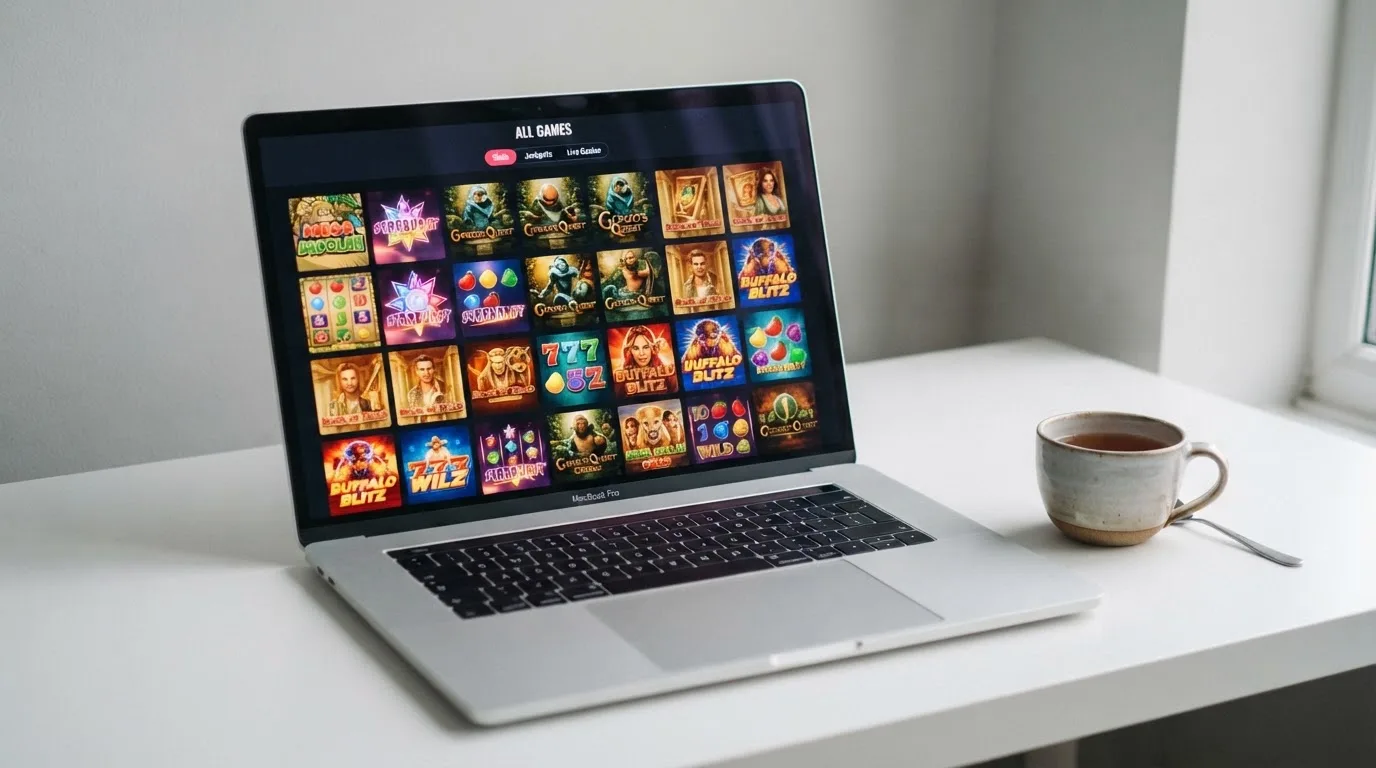
An offshore Bitcoin Cash casino typically operates under a Curaçao or Anjouan licence, accepts deposits and withdrawals in BCH and other cryptocurrencies, asks for an email address at sign-up, and asks for identity documents only at withdrawal or under specific triggers. It runs slots, live casino, and sometimes a sportsbook; the game providers are largely the same ones a licensed British casino uses. The slot math — RTP, volatility, hit frequency — does not change with the licence. What changes is the regulatory frame around it.
The costs of the offshore frame are concrete and have already been named in the responsible-gambling shelf above: no GAMSTOP coverage, no Commission complaints route, no approved ADR, no enforced deposit-limit prompts, no affordability monitoring, no stake-cap, no anonymous-play ban because there is no anonymous-play rule to enforce. The Commission has no jurisdiction to enforce any of them. The offshore regulator, if there is one, may apply some of them in its own jurisdiction; it cannot apply them in Great Britain.
A reader who reads both shelves of this comparison has the information they need to choose. The licensed route trades convenience for protection; the offshore route trades protection for convenience. The arithmetic on each side is straightforward. The decision is the reader’s.
How the calculation sits against the comparison
The bonus-cost arithmetic in the legality shelf was deliberately written as a band rather than a single number, because the band is what the 10x cap produces and because no single bonus amount describes the market. A reader who picks up a specific offer at a specific brand should redo the arithmetic with that brand’s figures; the formula is bonus × 10 for turnover, then turnover ÷ stake per spin for spins, then spins × 2.5 seconds for time.
What the band makes clear is the shape of the protection. A 10x cap on a £1,000 bonus means a player knows the absolute maximum turnover they will be asked to produce. A 35x cap, common in offshore markets, on the same £1,000 bonus would mean £35,000 of turnover, or 17,500 spins at £2, or about 12 hours of continuous play at the minimum interval. The licensed cap cuts that workload by more than two-thirds. The reader who understands the band understands what the licence buys them on the bonus side specifically.
The same arithmetic, run against an offshore BCH casino with no stake cap and no spin-interval rule, has no natural ceiling. A casino can require 50x wagering, can run spins at any speed the software supports, and can ask a player to keep playing until the turnover is cleared. Some offshore brands apply sensible terms voluntarily; others do not. The licensed cap removes the question.
What the public register snapshot actually proves
The page has used the Commission’s public register as its anchor throughout, and the snapshot in question — 18 September 2026 — is the one the research cites. On that date the register listed 139 businesses holding an active remote casino operating licence, and 1,065 active and 361 white-label domain entries. The numbers are exact because they come from the CSV download the Commission publishes; they are not estimates.
The exactness matters because the central claim of this comparison — that no licensed British brand accepts Bitcoin Cash among the ten named here — rests on the register being the test. The register is the test because it is the only document that records, officially, which licence covers which domain. A brand’s own footer may say it is “licensed by the Gambling Commission”; only the register confirms the licence is current, covers the domain in question, and has not been suspended or surrendered. The page has used that test consistently.
The register snapshot is also a point-in-time picture. A licence can be added, surrendered, or have its domain list amended between snapshots. The reader who reads this page six months from now should redo the check; the register is searchable online and downloadable, and the check takes a few minutes per brand. The arithmetic of the comparison does not change. The names on the list might.
Where the comparison stops being a recommendation
This page has described operators; it has not recommended one. The distinction matters because the subject of the page — a Bitcoin Cash casino comparison for UK readers — sits in a place where a recommendation would be a misuse of the analysis. A reader who wants a licensed British casino has ten options on this page and an entire register beyond them; the choice between them turns on product taste, brand preference, and bonus terms, none of which a comparison page can settle. A reader who wants a Bitcoin Cash casino is choosing to step outside the licensed perimeter, and the page’s job is to make that choice legible rather than to push it in either direction.
The verdict the page offers is on the structure of the comparison, not on any single brand. The structure is: no licensed British brand accepts Bitcoin Cash; offshore BCH casinos trade the British protections for a lighter onboarding and a wider payments menu; the choice between the two regimes is the reader’s, and the costs of either side are the right things to weigh. Anything beyond that structure is the reader’s call to make.
Putting the comparison in context
A Bitcoin Cash casino comparison in the UK is, on the evidence of the register and the research snapshot, not really a comparison of competing BCH casinos at all. It is a comparison of one regulatory regime against another, with the licensed British brands on one side and the offshore crypto-friendly brands on the other. The ten names this page has walked through are the licensed side; they are presented as the candidates a British player can actually use, with the bonus-cap, stake-cap, GAMSTOP and verification details that come with each.
The offshore side is real and large; it is also largely outside the scope of a comparison anchored to the Commission’s register. The page has named the mechanics, the costs, and the regulatory status where it can; the rest is up to the reader. A reader who came here looking for the best Bitcoin Cash casino will leave with a different kind of answer than they expected, and that is the point of the comparison done honestly.
FAQ
Does any Gambling Commission-licensed casino currently accept Bitcoin Cash deposits?
No. The Commission’s public register lists 139 active remote casino licence-holders and 1,426 active or white-label domains as of 18 September 2026, and none of the ten brands the page examines accepts BCH. A Commission licensee that wants to add a crypto-asset payment method has to review its anti-money-laundering risk assessment under Licence Condition 12.1.1 and notify the Commission of the change.
What happens to identity verification at a Bitcoin Cash casino operating outside UK licensing?
Sign-up typically asks for an email address and a password, and the casino may not request identity documents until the player tries to withdraw a large amount or hits an internal trigger. The blockchain is a public ledger, so the transactions are visible to chain-analysis firms even when the casino does not collect documents; complete anonymity is a marketing line, not a technical reality.
Is a casino accepting Bitcoin Cash automatically unlicensed for British players?
Not automatically, but in practice yes for the brands a British player is likely to encounter. Since the Gambling (Licensing and Advertising) Act 2014 any operator taking customers in Great Britain needs a Commission licence; a Curaçao or Anjouan licence is not a substitute. Providing gambling to people in Great Britain without a Commission licence is an offence under section 33 of the Gambling Act 2005.
What self-exclusion cover does a player lose by using a Bitcoin Cash-only casino?
GAMSTOP coverage is lost. GAMSTOP is mandatory for every Commission-licensed online operator and has been since 31 March 2020, with exclusion periods of six months, one year or five years that cannot be cancelled early. An offshore casino is outside the GAMSTOP perimeter, so a self-excluded player can open an account the same day; the British scheme has no jurisdiction over the offshore brand.
How does funding an account with Bitcoin Cash differ from a standard UK bank transfer?
A BCH deposit goes from a player-controlled wallet to a casino deposit address, typically clearing in one block (about ten minutes) with low network fees; no bank sits in the middle and no chargeback is possible. A UK bank transfer takes longer, runs through FPS or BACS, and is reversible in some cases. Credit cards have been banned for gambling in Britain since 14 April 2020, so the practical comparison is BCH versus debit card or bank transfer rather than BCH versus credit card.
Published by the safecasinoguideuk team.